
Role
Product designer
Date
September, 2024
Building Seamless Connections for Enterprise Customers
When Rayda began transitioning into an enterprise company, we knew integrations would be the backbone of our growth. Our customers had been vocal about their needs:
"As a customer, I want to be able to integrate with platforms like Microsoft Entra ID, Microsoft Intune, Apple Business Manager, and Google Workspace to easily onboard employees."
Their feedback wasn’t just a wish list; it was a call to action. It became clear that to serve enterprise clients effectively, we had to build integrations into our software while also providing API access. Delivering seamless integrations and API access became our north star, guiding our efforts to meet enterprise needs head-on.
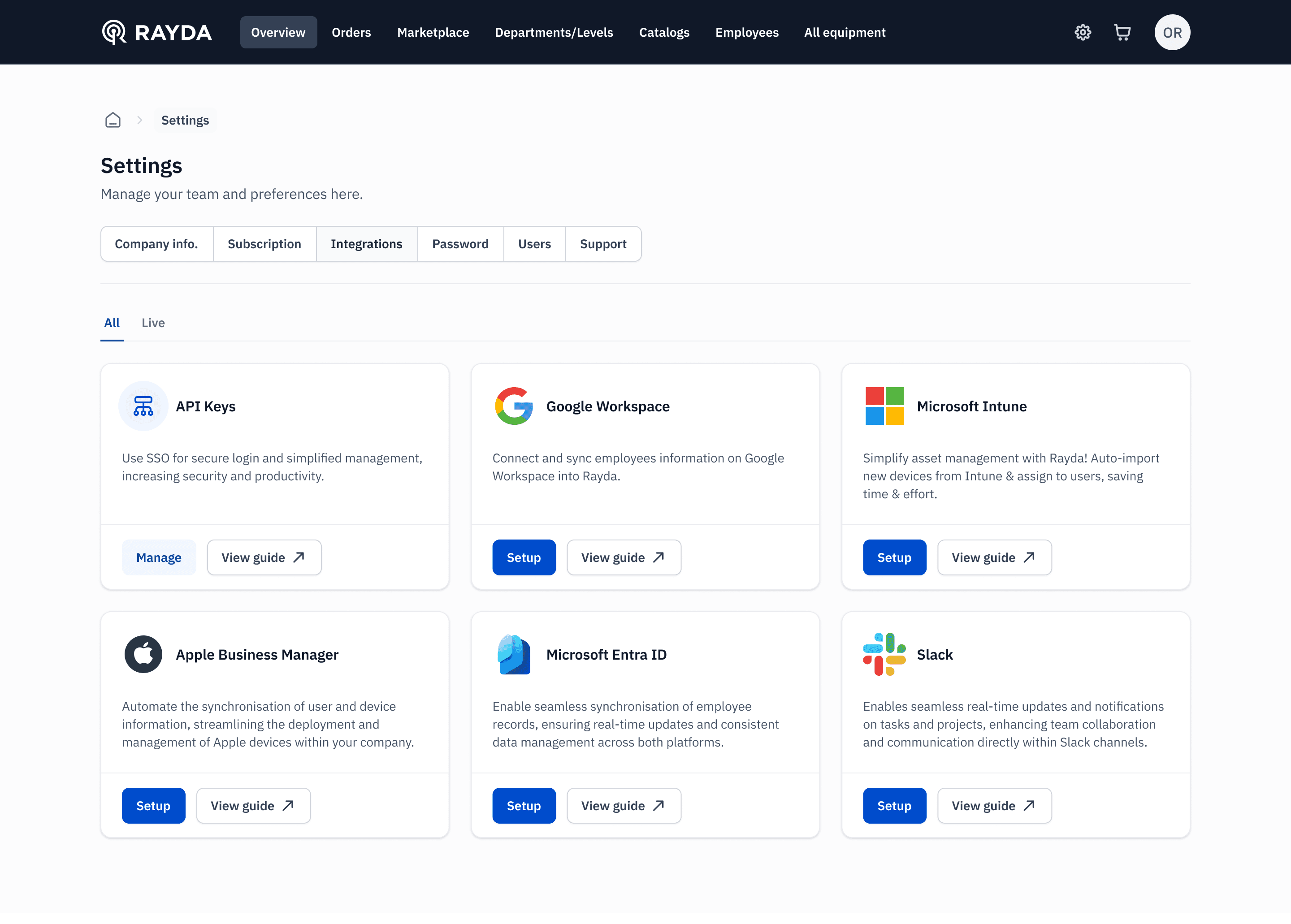
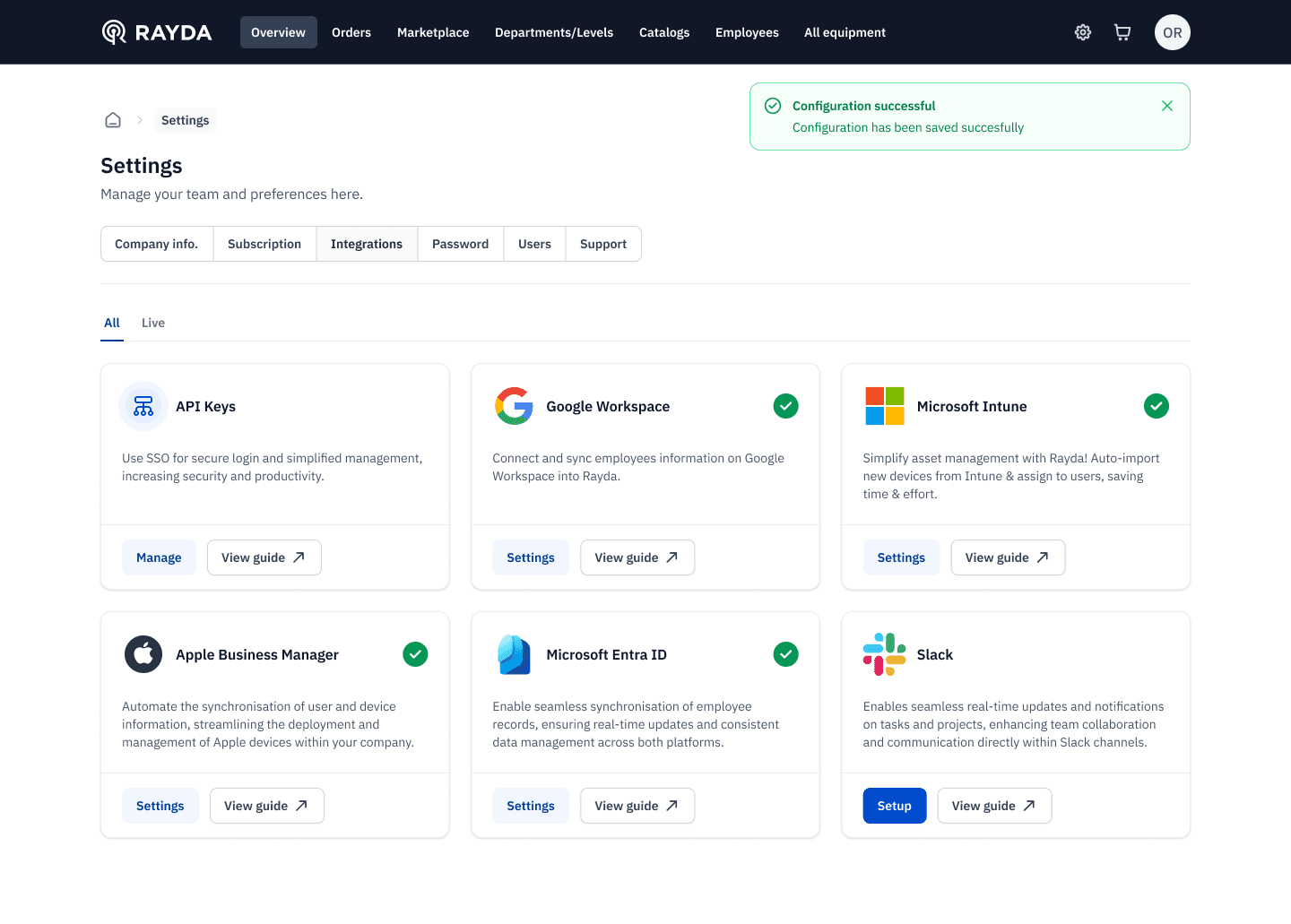
Enterprise clients require integrations to connect their existing tools and workflows. These integrations are crucial for:
Identity Management: Automating employee onboarding with platforms like Microsoft Entra ID and Google Workspace.
Device Management: Synchronizing data across systems like Apple Business Manager and Microsoft Intune to manage devices efficiently.
Beyond integrations, API access was another critical need. Our customers wanted:
Credential Management: The ability to generate API test and live keys.
Flexibility: Access to detailed API documentation for building custom solutions.
Security: Reliable and secure API interfaces to protect sensitive data.
These features were non-negotiable for enterprise customers, and our mission was to deliver them in a way that felt seamless and intuitive.
Enterprise clients require integrations to connect their existing tools and workflows. These integrations are crucial for:
Identity Management: Automating employee onboarding with platforms like Microsoft Entra ID and Google Workspace.
Device Management: Synchronizing data across systems like Apple Business Manager and Microsoft Intune to manage devices efficiently.
Beyond integrations, API access was another critical need. Our customers wanted:
Credential Management: The ability to generate API test and live keys.
Flexibility: Access to detailed API documentation for building custom solutions.
Security: Reliable and secure API interfaces to protect sensitive data.
These features were non-negotiable for enterprise customers, and our mission was to deliver them in a way that felt seamless and intuitive.
Enterprise clients require integrations to connect their existing tools and workflows. These integrations are crucial for:
Identity Management: Automating employee onboarding with platforms like Microsoft Entra ID and Google Workspace.
Device Management: Synchronizing data across systems like Apple Business Manager and Microsoft Intune to manage devices efficiently.
Beyond integrations, API access was another critical need. Our customers wanted:
Credential Management: The ability to generate API test and live keys.
Flexibility: Access to detailed API documentation for building custom solutions.
Security: Reliable and secure API interfaces to protect sensitive data.
These features were non-negotiable for enterprise customers, and our mission was to deliver them in a way that felt seamless and intuitive.
Understanding the "Why"
Understanding the "Why"
Understanding the "Why"
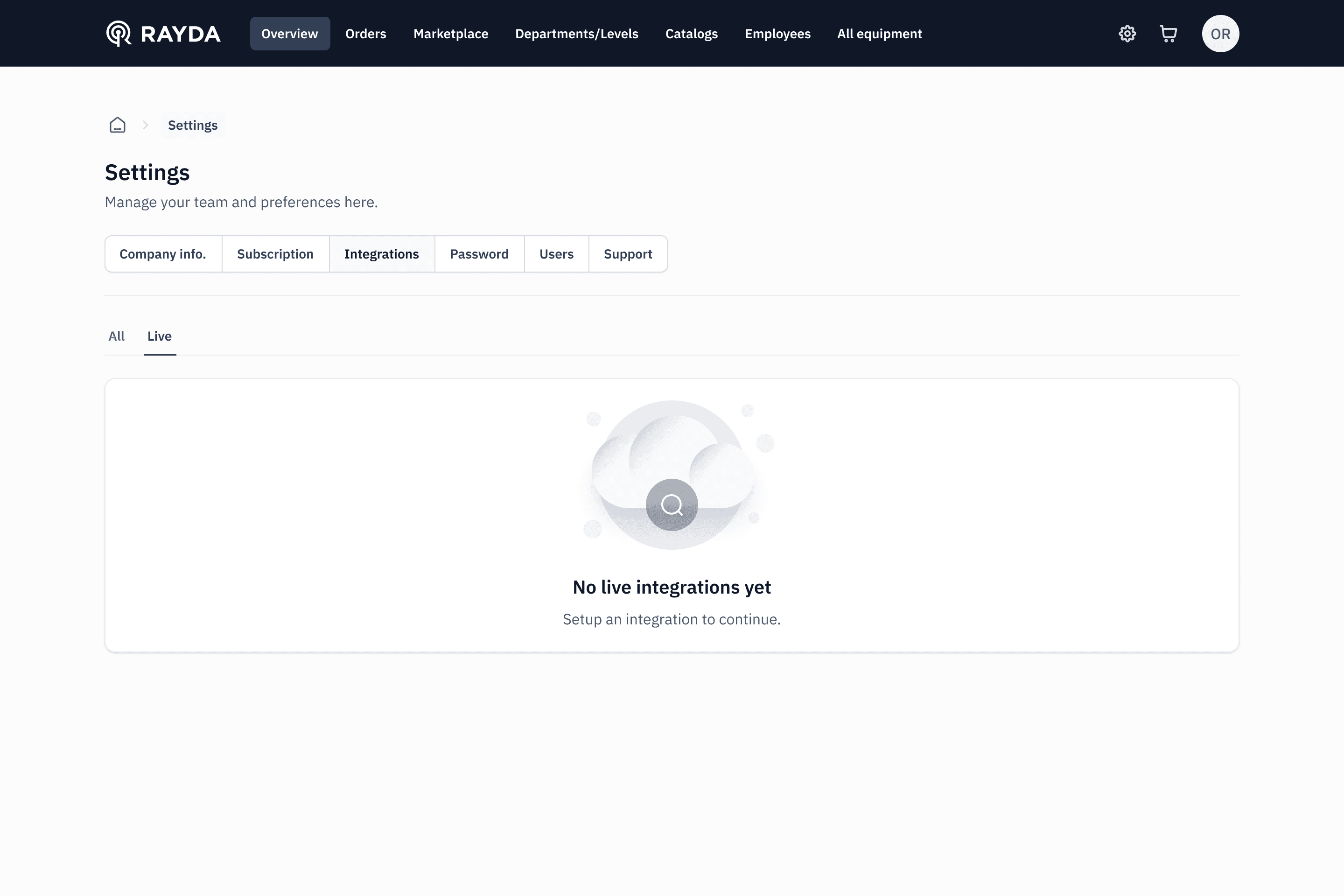
My Approach: Bridging Design and Technology
My Approach: Bridging Design and Technology
My Approach: Bridging Design and Technology
This project required close collaboration with our engineering team—a partnership that became the cornerstone of my approach. Here’s how I tackled the challenge:
1. Deep Collaboration with Engineering
I worked closely with the engineering team to understand the technical requirements of each integration. This included diving into:
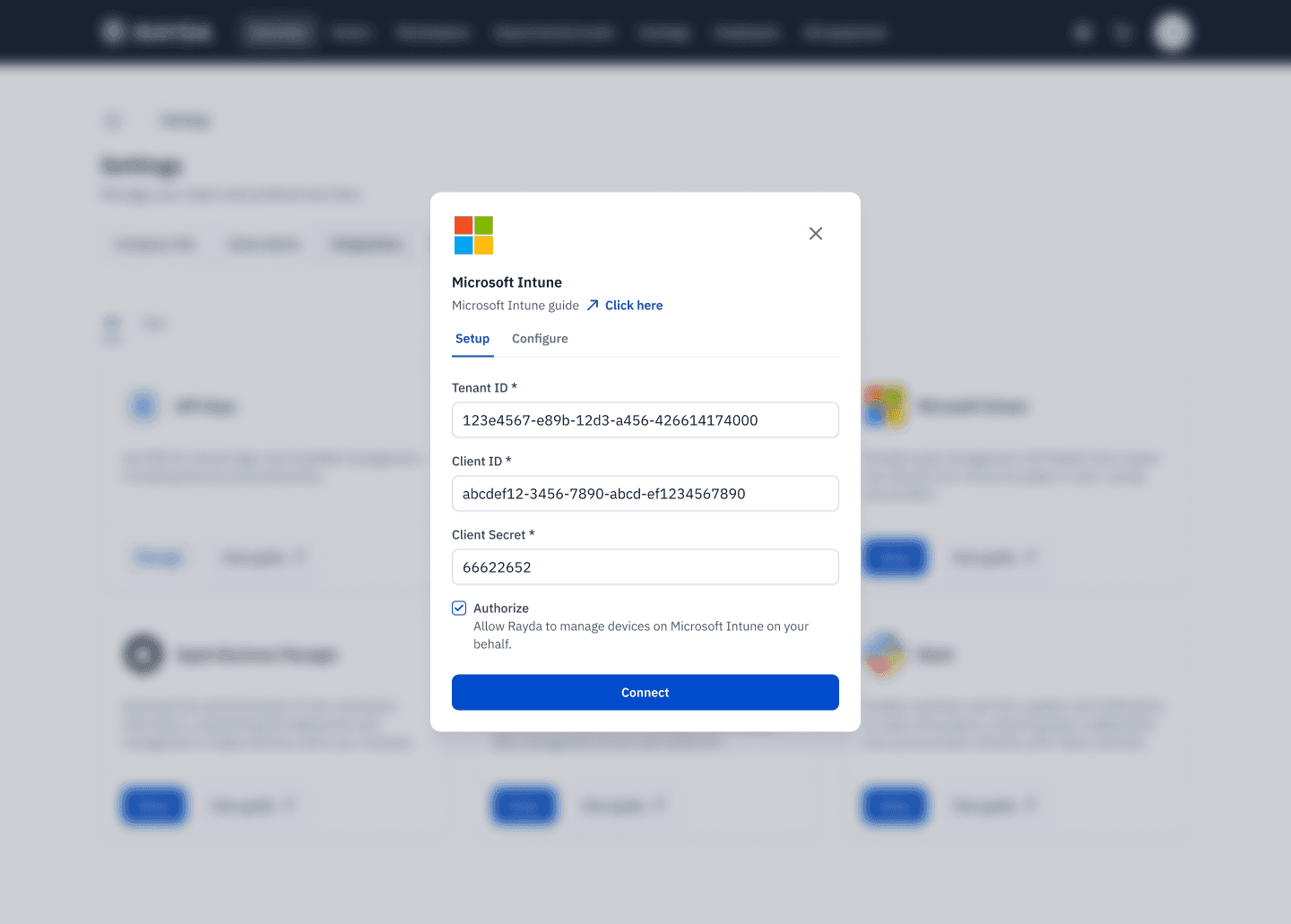
Authentication Requirements: Secret keys, client IDs, admin emails, and other parameters unique to each platform.
Sync Scopes and Frequencies: Configuring workflows to ensure smooth data transfers.
This collaboration informed designs that simplified these complexities for our users.
2. User-Centered Design for Input Clarity
Each integration demanded specific credentials and configurations. I focused on designing interfaces that:
Clearly outlined required inputs (e.g., admin emails, API keys).
Explained the purpose of each input to demystify the setup process.
Provided helpful error states to guide users if issues arose.
3. Configuring Post-Integration Workflows
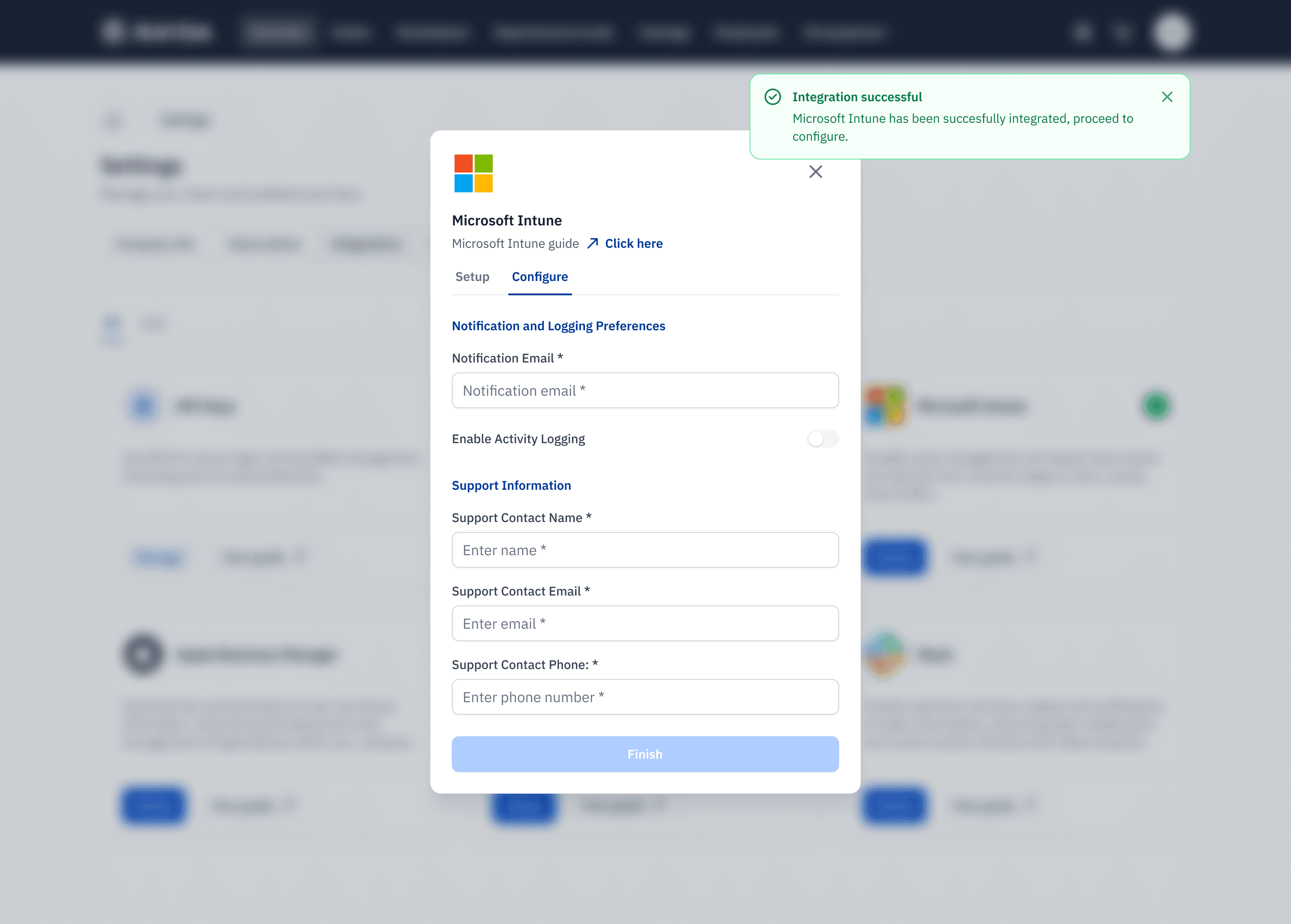
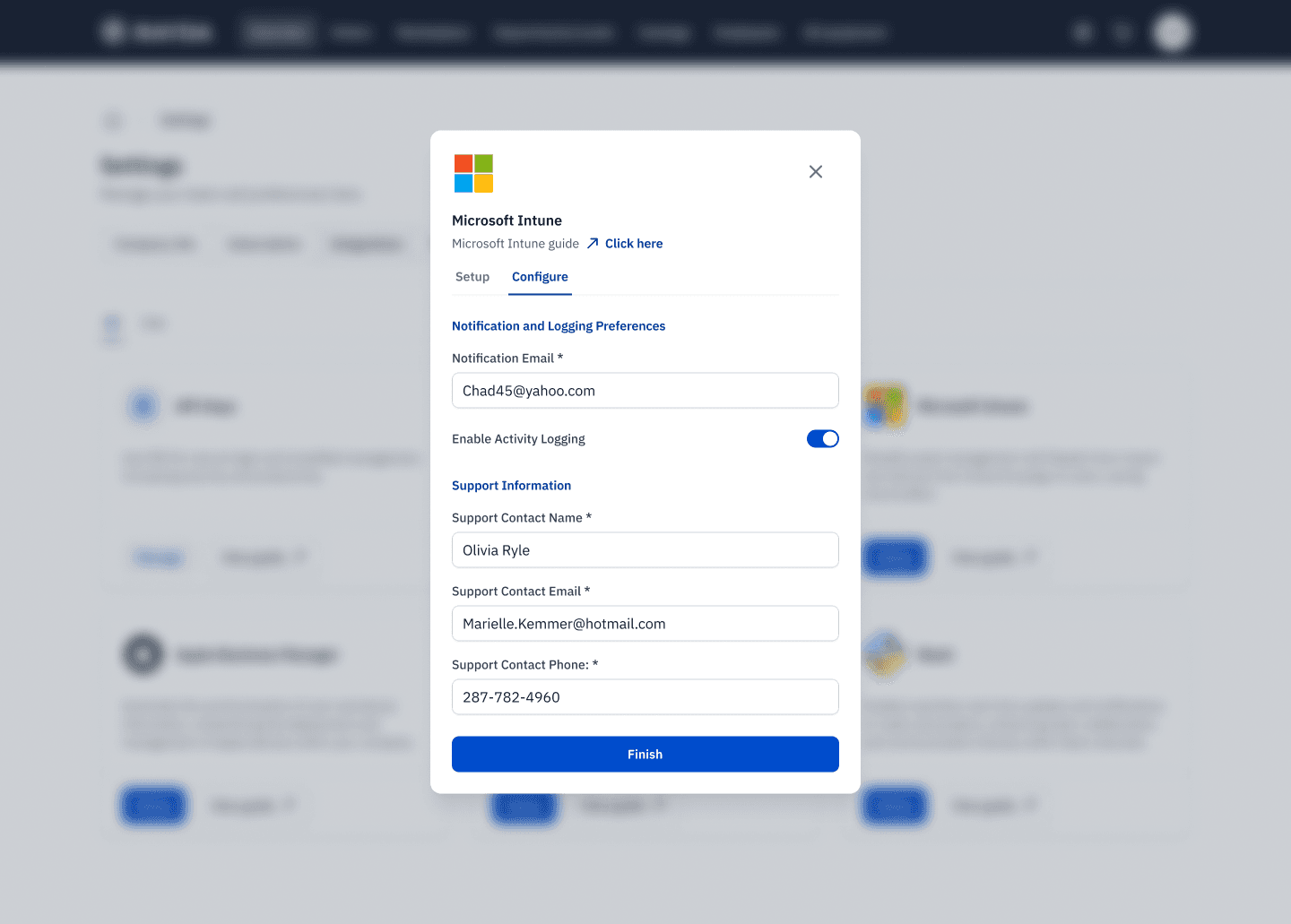
After integration, customers needed control over how the systems worked together. Key design elements included:
Activity logging for tracking changes.
Notification setups for real-time updates.
Options for customizing sync scopes, filters, and data sharing preferences.
This project required close collaboration with our engineering team—a partnership that became the cornerstone of my approach. Here’s how I tackled the challenge:
1. Deep Collaboration with Engineering
I worked closely with the engineering team to understand the technical requirements of each integration. This included diving into:
Authentication Requirements: Secret keys, client IDs, admin emails, and other parameters unique to each platform.
Sync Scopes and Frequencies: Configuring workflows to ensure smooth data transfers.
This collaboration informed designs that simplified these complexities for our users.
2. User-Centered Design for Input Clarity
Each integration demanded specific credentials and configurations. I focused on designing interfaces that:
Clearly outlined required inputs (e.g., admin emails, API keys).
Explained the purpose of each input to demystify the setup process.
Provided helpful error states to guide users if issues arose.
3. Configuring Post-Integration Workflows
After integration, customers needed control over how the systems worked together. Key design elements included:
Activity logging for tracking changes.
Notification setups for real-time updates.
Options for customizing sync scopes, filters, and data sharing preferences.
This project required close collaboration with our engineering team—a partnership that became the cornerstone of my approach. Here’s how I tackled the challenge:
1. Deep Collaboration with Engineering
I worked closely with the engineering team to understand the technical requirements of each integration. This included diving into:
Authentication Requirements: Secret keys, client IDs, admin emails, and other parameters unique to each platform.
Sync Scopes and Frequencies: Configuring workflows to ensure smooth data transfers.
This collaboration informed designs that simplified these complexities for our users.
2. User-Centered Design for Input Clarity
Each integration demanded specific credentials and configurations. I focused on designing interfaces that:
Clearly outlined required inputs (e.g., admin emails, API keys).
Explained the purpose of each input to demystify the setup process.
Provided helpful error states to guide users if issues arose.
3. Configuring Post-Integration Workflows
After integration, customers needed control over how the systems worked together. Key design elements included:
Activity logging for tracking changes.
Notification setups for real-time updates.
Options for customizing sync scopes, filters, and data sharing preferences.
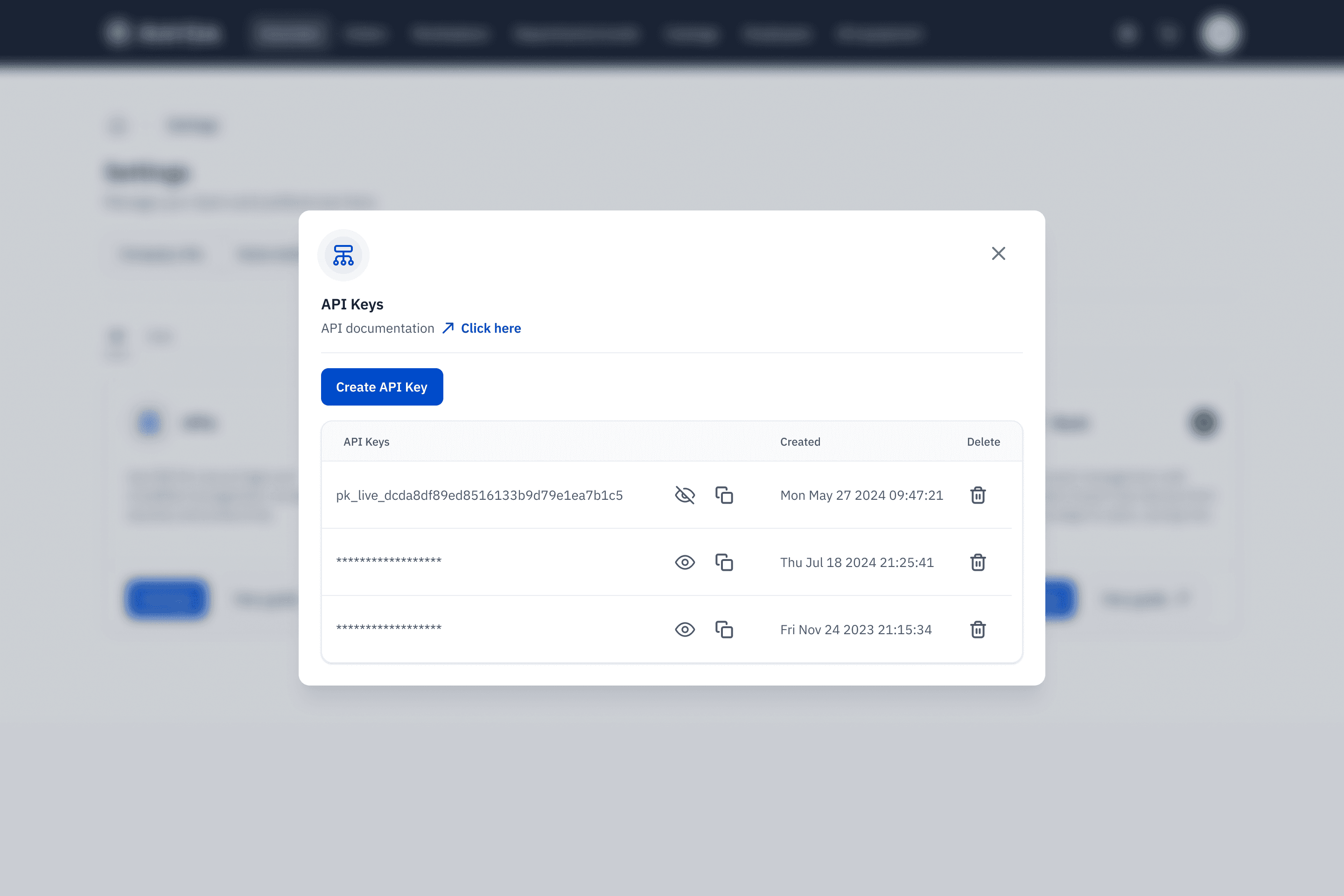
In addition to integrations, we developed a robust API access system. My work focused on:
Credential Generation: Allowing users to generate and manage secure API keys.
Developer Documentation: Designing user-friendly, detailed API guides.
Security Measures: Implementing designs that safeguarded sensitive information, such as limiting API key visibility and enabling secure storage.
Delivering API Access
Delivering API Access
Delivering API Access
Reflecting on the Outcome
Working on Rayda Integrations was a career-defining experience. It wasn’t just about delivering a feature—it was about empowering our customers to do more with our platform. By listening to customer feedback, collaborating closely with engineers, and keeping the end-user experience front and center, we created a system that truly meets the needs of enterprise clients.
Working on Rayda Integrations was a career-defining experience. It wasn’t just about delivering a feature—it was about empowering our customers to do more with our platform. By listening to customer feedback, collaborating closely with engineers, and keeping the end-user experience front and center, we created a system that truly meets the needs of enterprise clients.
Working on Rayda Integrations was a career-defining experience. It wasn’t just about delivering a feature—it was about empowering our customers to do more with our platform. By listening to customer feedback, collaborating closely with engineers, and keeping the end-user experience front and center, we created a system that truly meets the needs of enterprise clients.
This project reinforced the importance of cross-functional collaboration and user-centered design. By deeply understanding our customers’ workflows and partnering with engineers, we created solutions that were both powerful and easy to use.
Rayda Integrations stands as a testament to the value of listening to customer feedback and translating it into thoughtful, impactful designs. It’s a project that epitomizes the intersection of design, technology, and real-world problem-solving—one I am proud to have been part of.
This project reinforced the importance of cross-functional collaboration and user-centered design. By deeply understanding our customers’ workflows and partnering with engineers, we created solutions that were both powerful and easy to use.
Rayda Integrations stands as a testament to the value of listening to customer feedback and translating it into thoughtful, impactful designs. It’s a project that epitomizes the intersection of design, technology, and real-world problem-solving—one I am proud to have been part of.
This project reinforced the importance of cross-functional collaboration and user-centered design. By deeply understanding our customers’ workflows and partnering with engineers, we created solutions that were both powerful and easy to use.
Rayda Integrations stands as a testament to the value of listening to customer feedback and translating it into thoughtful, impactful designs. It’s a project that epitomizes the intersection of design, technology, and real-world problem-solving—one I am proud to have been part of.
Lessons Learned
Lessons Learned
Lessons Learned